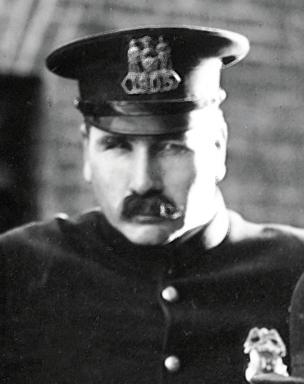
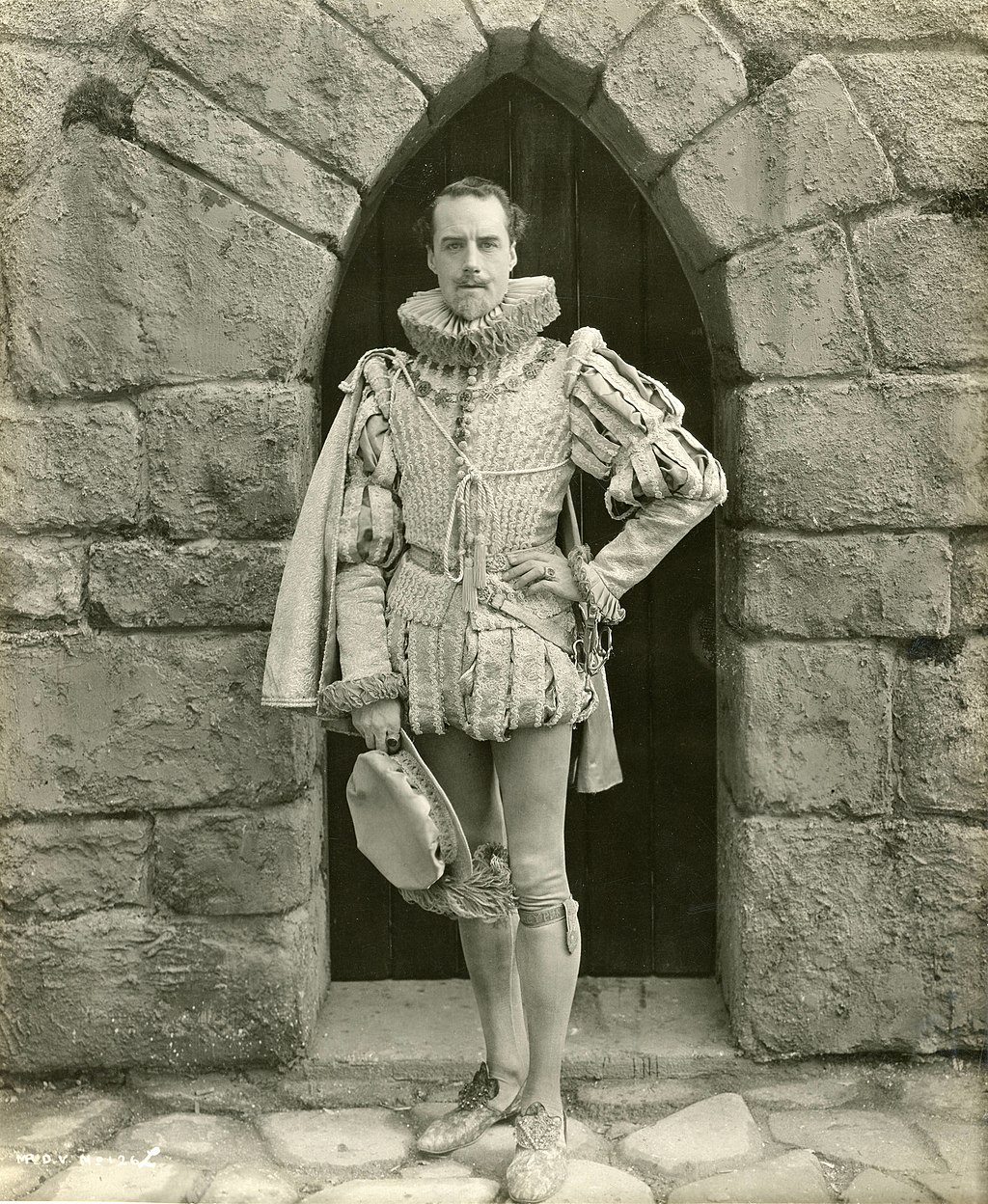
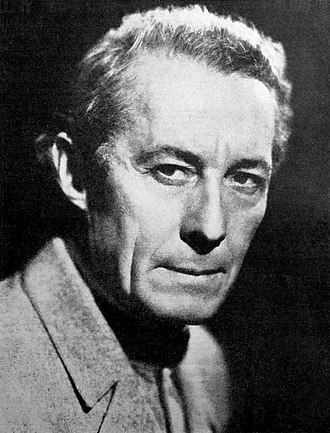
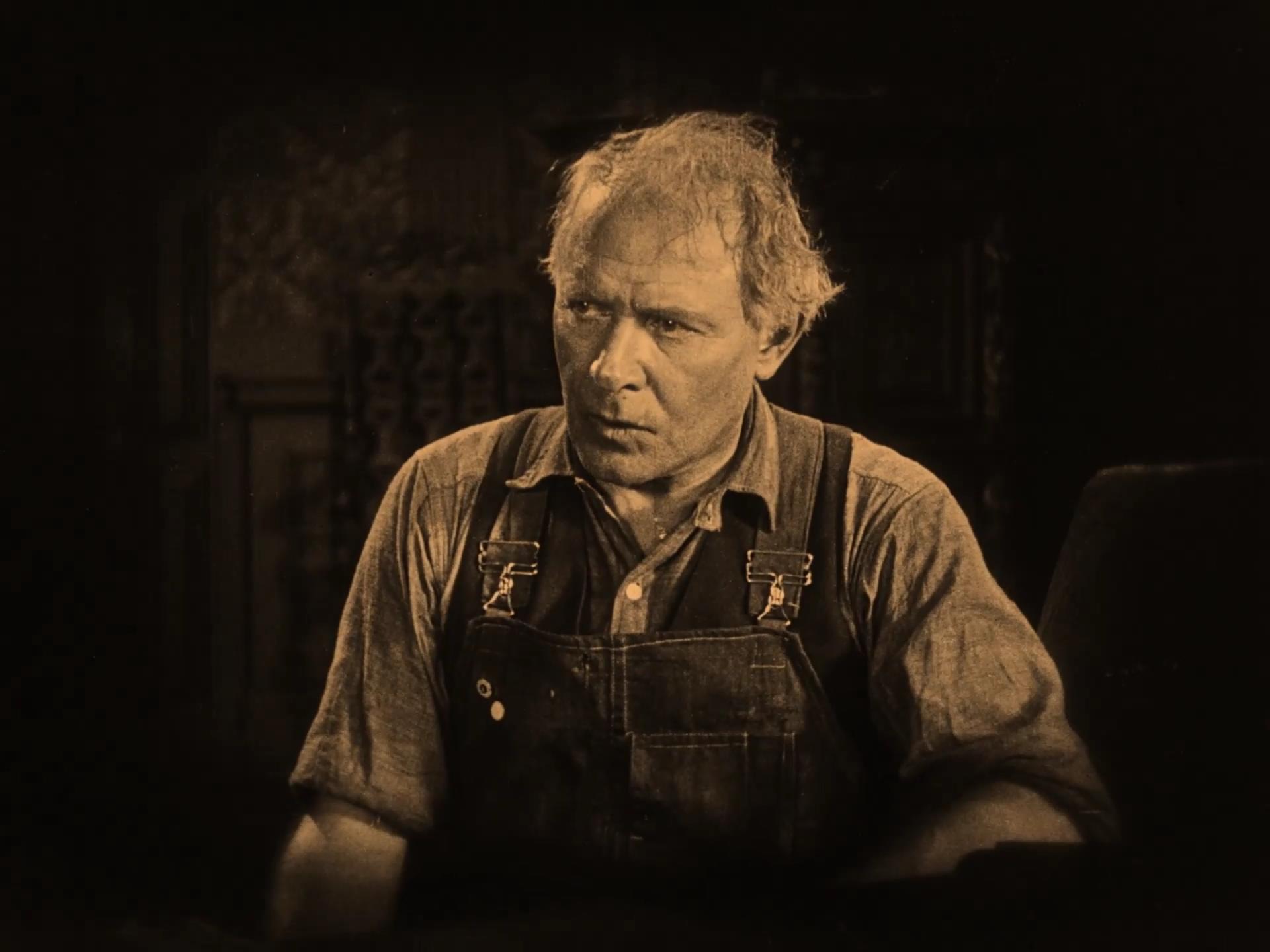
A Landmark in Film History The Birth of a Nation (1915) is an American silent epic drama directed by D. W. Griffith, starring Lillian Gish, and co-written by Griffith and Frank E. Woods. Adapted from Thomas Dixon Jr.’s 1905 novel and play The Clansman, the film was produced in collaboration with Harry Aitken. Widely regarded as a groundbreaking technical achievement in early cinema, it was the first non-serial American 12-reel feature ever made and the first American film to include a full orchestral score. Griffith pioneered techniques that are now standard in filmmaking, including closeups, fadeouts, and large-scale battle sequences employing hundreds of extras to simulate thousands of soldiers. The film was originally shown in two parts with an intermission, accompanied by a 13-page Souvenir Program, and it became the first motion picture ever screened in the White House, where President Woodrow Wilson, his family, and cabinet members attended. The narrative intertwines historical events with fictionalized accounts, chronicling the assassination of Abraham Lincoln by John Wilkes Booth and following the intertwined destinies of two families during the Civil War and Reconstruction: the pro-Union Stonemans from the North and the pro-Confederacy Camerons from the South. Griffith’s attention to historical detail, set design, and cinematography created an immersive experience that fascinated audiences and established many conventions of epic storytelling in cinema. Despite the technical brilliance and narrative ambition, the film’s content immediately sparked controversy due to its overtly racist depictions and ideological messaging. Controversy and Social Impact Even before its release, The Birth of a Nation was highly controversial, and it has remained so ever since. The film portrays African Americans, many played by white actors in blackface, as intellectually inferior and sexually predatory toward white women. Simultaneously, the Ku Klux Klan is depicted as a heroic force defending white women and maintaining social order. These portrayals not only reinforced racist stereotypes but also glorified a white supremacist organization, contributing directly to the revival of the Ku Klux Klan shortly after the film’s release. The film was extremely popular among white audiences nationwide, becoming a cultural phenomenon and a box office sensation. Its commercial success both reflected and reinforced racial segregation across the United States. In response, African American communities and civil rights organizations, including the NAACP, organized protests and campaigns to ban the film, citing its inflammatory depictions and potential to incite racial violence. Cities such as Chicago, Denver, Pittsburgh, St. Louis, Minneapolis, and the state of Ohio refused to screen it, while Boston hosted organized demonstrations. Griffith’s indignation over these efforts eventually led him to produce Intolerance (1916), a film designed to showcase a more humanistic vision of history and society. The controversy surrounding The Birth of a Nation has made it a frequent subject of academic study. Scholars analyze its dual nature: a milestone of cinematic technique and storytelling on one hand, and a morally and socially problematic work on the other. Its influence extends far beyond the film industry, affecting American culture, politics, and social attitudes during the early twentieth century. Legacy and Cultural Significance Despite its divisive content, The Birth of a Nation was a monumental commercial success, grossing far more than any previous motion picture and demonstrating the financial potential of feature-length films. It established D. W. Griffith as a pioneering figure in cinema and inspired countless filmmakers to explore epic storytelling on an ambitious scale. Adjusted for inflation, it remains one of the highest-grossing films in history, and its technical innovations — particularly in editing, narrative structure, and large-scale production — influenced the development of modern filmmaking. The film’s legacy is undeniably complex. On one hand, it is recognized for its cinematic achievements, and in 1992, the Library of Congress selected it for preservation in the National Film Registry as “culturally, historically, or aesthetically significant.” On the other hand, it is widely condemned for its racist content and its role in promoting the resurgence of the Ku Klux Klan. Today, it serves as both a cautionary example of how media can propagate harmful ideologies and a vital document of early twentieth-century American film. Students of cinema, history, and social studies continue to examine The Birth of a Nation for its groundbreaking techniques, historical context, and the profound, lasting impact it had on both the film industry and society at large.